
By Chris Evans, Simply List · Resources reviewed September 20, 2026
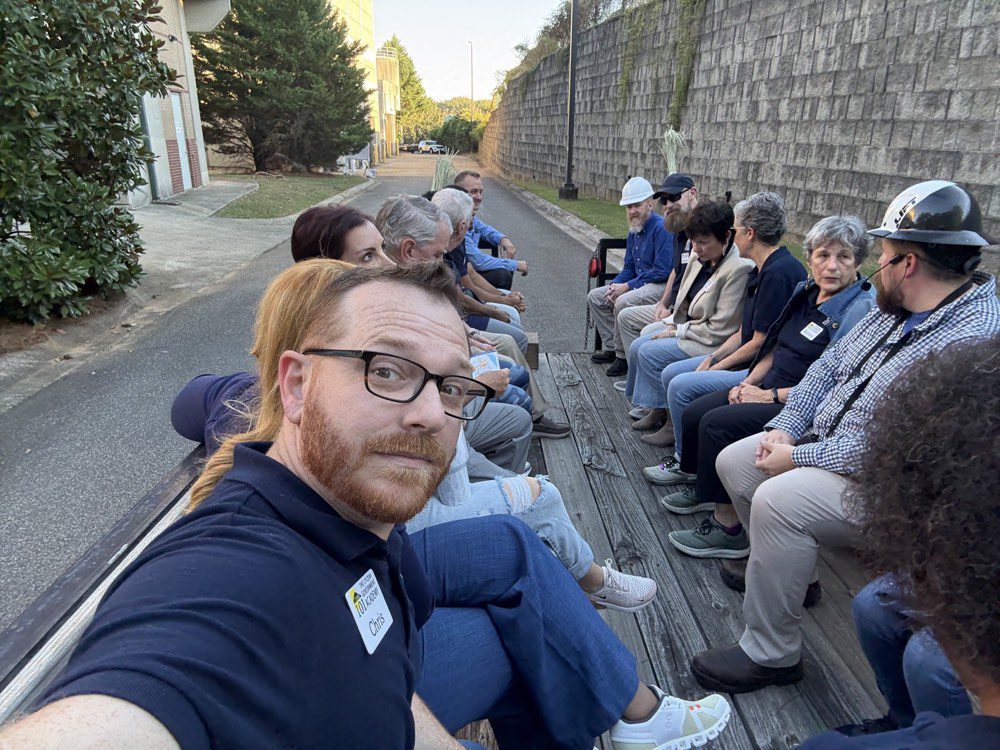
In 2025, I completed Cobb County’s Citizens Government Academy. The experience inspired this guide: a practical starting point for homeowners who want to find the right local resources when preparing a home for sale, planning a project, moving, or settling into the community.
I’ve combined topics from my academy notes with official resources below. This is an independent Simply List guide, not a county publication or endorsement. Follow the linked department guidance for current requirements, fees and availability.
Not sure who to call? Start here.
One of the most useful things I learned in Cobb 101 was that you don’t have to figure out the right department yourself. Call the county’s main information line at 770-528-1000, explain what’s going on, and ask where to start.
Take trash along a road. You might assume one crew handles it all, but the right service can depend on how big it is, where it’s sitting, and whether it’s in traffic-or about to be. Give staff those details and the location so they can point you in the right direction.
That’s the practical takeaway: describe the problem, rather than trying to guess the department. Keep the county’s main contact information handy for the next time you need it.
Preparing your home for sale: gather information early
Alongside photos and listing details, create a folder for information about work completed on the property. Gather any permits, inspection records, contractor invoices and project descriptions you already have.
If you’re unsure about a project’s permit history, ask the appropriate permitting office how to locate records and what those records establish. An improvement’s appearance alone doesn’t answer questions about its permit or inspection status.
For example, Cobb publishes a permit checklist for converting an unfinished or unheated basement into finished living space. Use it as a starting point for that specific project type and confirm current requirements with the office.
Questions to ask before starting a project or describing it in a listing:
- Which office has jurisdiction over this property and work?
- Is a permit required for the work I’m describing?
- How can I obtain the relevant permit and inspection records?
- Is there an outstanding step I should understand before proceeding?
Cobb’s department contact directory is a useful starting point for residential permits, inspections, zoning and planning.
Zoning questions: describe the actual use you have in mind
A question such as “Can I add a separate living space?” is more useful when paired with the property address and a clear description of the proposal.
Ask the relevant planning or zoning office which maps, conditions and approvals apply. Avoid treating a map label as a complete answer to whether a particular project can proceed. If you are preparing a listing, verify a proposed use before presenting it as an available feature or opportunity.
“I’m researching this property before making plans. What should I review for the use I’m considering, and are there other departments I need to contact?”
Start with the planning and zoning contacts, and confirm that they serve your property.
Planning a cleanout or move
Decluttering often uncovers items that need different disposal arrangements. Before loading a vehicle, check the receiving facility’s accepted materials, operating hours, residency requirements and charges.
Cobb publishes disposal charges and instructions on its official waste-disposal page. Check the current schedule before a trip; charges differ by residency and load.
- Identify what you’re discarding before selecting a destination.
- Check instructions for special materials rather than putting everything into one load.
- Confirm fees and restrictions directly with the facility.
- Schedule disposal before listing photography if those items would be visible in your photos.
Libraries: useful resources beyond the bookshelves
Cobb’s library resources can help with everyday tasks as well as recreation. The county lists public Wi-Fi at all 15 library locations, technology lending options, and printing services. Borrowing conditions and printing charges apply. Explore library technology services.
Selected locations also offer makerspaces and 3D printing. Check equipment, reservation requirements and costs for the location you plan to visit; not every service is free.
If you’re new to the area, start with the library card and account guide. It explains card categories and current fees.
Support for older adults and their households
Cobb Senior Services offers resources including transportation assistance, nutrition programs, care management, in-home services and learning opportunities. Eligibility and availability vary by program.
If you’re helping a family member explore options, describe the support they need and ask which programs may fit. Confirm costs, eligibility, scheduling and any assessment requirements before making plans around a service.
For transportation, there are distinct programs to explore. Cobb’s Transportation Voucher Program assists eligible elderly and disabled residents outside the CobbLinc paratransit service area; it requires CobbLinc paratransit certification.
The Senior Services contact address is 1150 Powder Springs Street, Marietta. Check the address of your particular center or appointment before traveling.
Reporting a property or neighborhood concern
Describe what you observed, where it is, and what assistance you’re seeking. Cobb provides separate routes for code enforcement, erosion concerns, housing complaints and nuisance matters. Start with the county complaint guidance.
If privacy is important to you, ask the department how it handles your information before submitting it. The county lists options for anonymous code-enforcement inquiries, but this guide does not promise that a particular communication will remain confidential.
For issues involving a rental home, use the appropriate housing-complaint instructions and confirm the office’s jurisdiction. Different complaint types may have different submission requirements.
A homeowner’s starting checklist
- Confirm the appropriate jurisdiction and department for your request.
- Gather existing property and project records in one folder.
- Check requirements before starting work or advertising a proposed use.
- Plan disposal and cleanout tasks using current facility instructions.
- Explore library and community-support resources relevant to your household.
- Save official resource links so you can return to current information.
Thinking about selling your Cobb County home?
Simply List helps homeowners market their properties and choose the support that fits their sale.
Without Help gives homeowners access to MLS marketing and seller tools through a customer/transaction-brokerage relationship. With Help adds seller representation with negotiation and contract-paperwork support once there is an offer.
Compare Simply List plans or read common selling questions before choosing your next step.
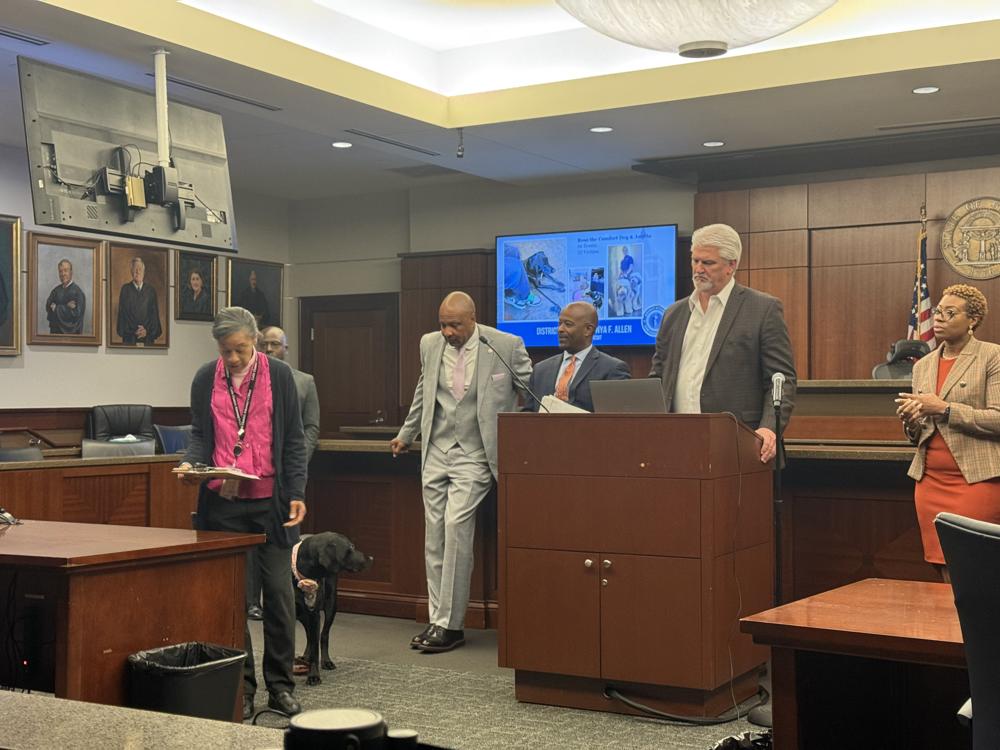
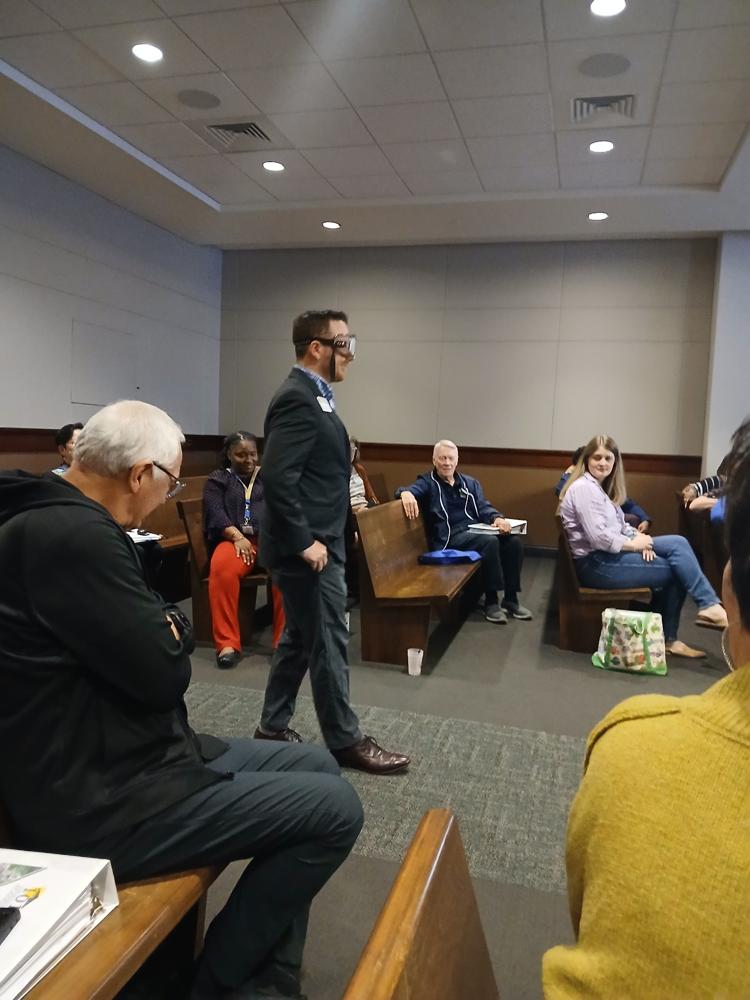
A few moments from Cobb 101
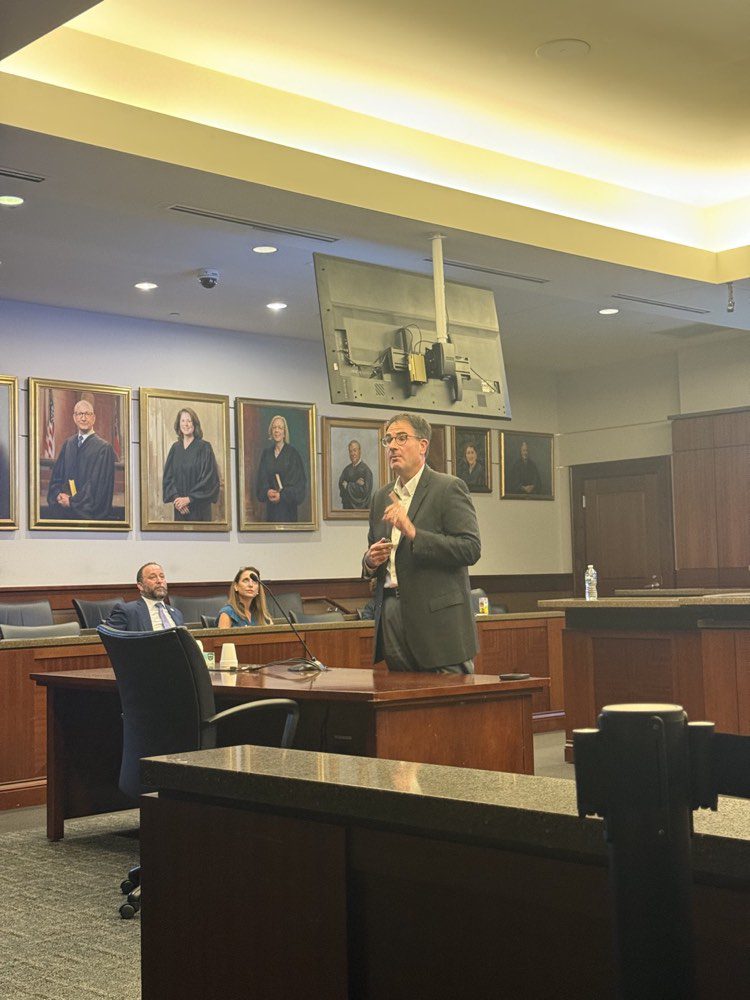
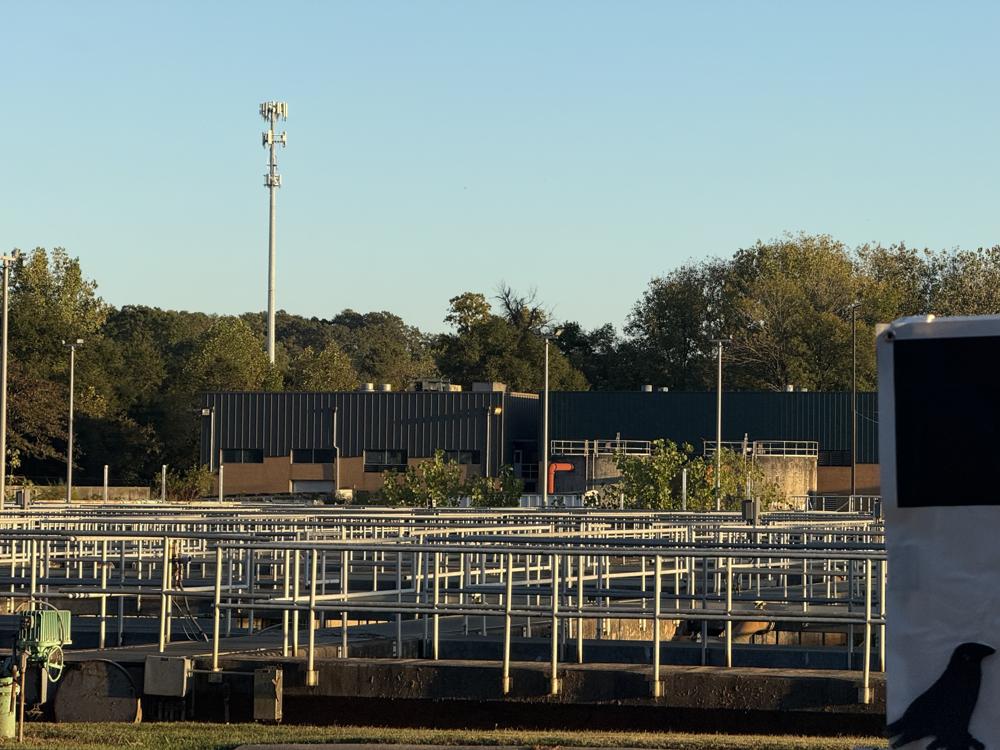
The academy took us beyond presentations and into county facilities. These photos capture a few of those visits, including a courtroom exercise where I tried goggles designed to simulate impairment.
About this guide
Chris Evans completed Cobb County’s Citizens Government Academy in 2025. This guide grew from his course notes and subsequent research into official homeowner resources. Learn about the Cobb 101 Citizens Government Academy and meet Chris and Céline.
Service details can change. Use the official links to confirm requirements and availability when you need them.